Understanding Vaping Regulations in the UK
Vaping has quickly become a popular alternative to traditional smoking, especially among younger demographics. As the market for vaping products continues to grow, understanding the regulations surrounding their sale is essential for both consumers and retailers. In the UK, this includes a range of laws that dictate who can purchase these products and under what circumstances. For those curious about the legal framework, exploring resources such as what age can you buy a vape in the uk can provide comprehensive insights.
What Age Can You Buy a Vape in the UK?
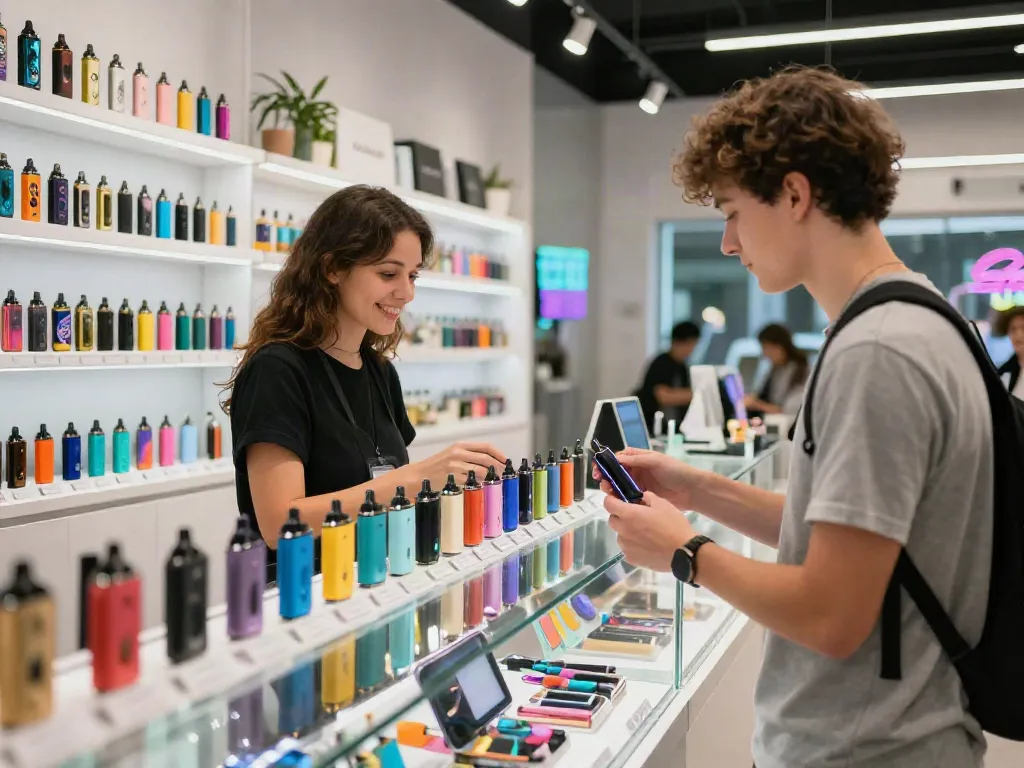
The legal age to purchase vaping products in the UK is 18 years old. This applies to all nicotine-containing products, including e-cigarettes, vape kits, and e-liquids. Retailers are legally obligated to verify the age of any customer who appears to be under this age limit, often requiring an ID check. Failure to comply with this regulation can result in significant penalties for retailers, including fines and potential loss of their ability to sell such products.
Current Legislation Regarding Vaping Products
The current legislative framework governing vaping falls under the Tobacco and Related Products Regulations (TRPR), which was established to ensure that tobacco and nicotine products are sold responsibly. These regulations are strict, and they reinforce the age restrictions already in place. Furthermore, it is illegal for adults to buy vape products on behalf of minors, an action that is closely monitored by enforcement agencies.
Consequences of Selling to Minors
If a retailer is found to have sold vaping products to an underage individual, they could face fines, store inspections, and further regulatory scrutiny. Such consequences highlight the importance of responsible selling practices and the critical role that retailers play in adhering to legislation designed to protect young people from nicotine addiction.
Trends in Vaping Among Young Adults
As public awareness of vaping continues to grow, particularly among young adults, various trends have begun to emerge. These trends reflect changing consumer preferences, the influence of peer groups, and the impact of social media platforms on vaping culture.
Shifts in Vape Consumption Patterns
Research indicates that young adults are gravitating towards disposable vapes over traditional models. This shift is attributed to the convenience and novelty that disposable devices offer. Disposable vapes typically come pre-filled and are designed for single use, which appeals to those who may not want to invest time in maintaining more complex devices.
Popular Devices and Flavours Among Millennials
Among the most popular devices among younger vapers are brands such as Elf Bar and lost Mary. The allure of these products often lies in their appealing flavour options, which range from fruity concoctions to sweet desserts. Additionally, nicotine salts have gained traction, providing a smoother throat hit that is popular among beginner vapers.
The Impact of Social Media on Vaping Choices
Social media has played a significant role in the popularity of vaping among young adults. Platforms like Instagram and TikTok have become vital spaces for vape enthusiasts to share their experiences, showcase their favourite products, and even engage in the latest trends. This exposure has considerably influenced the choices made by young vapers, leading to an increase in both visibility and consumption.
Challenges and Misconceptions Surrounding Vaping
Despite the growing popularity of vaping, various challenges and misconceptions persist. These include health concerns, social stigma, and misunderstandings about vaping laws and regulations.
Common Myths About Vaping Legality
One prevalent myth is that it is legal for anyone over the age of 16 to purchase vaping products. This misconception can lead to confusion among young people and parents alike. As highlighted earlier, the legal age remains firmly set at 18, and those under this age cannot legally buy or possess vaping products.
The Role of Parental Guidance
Given the prevalence of vaping among youths, parental guidance plays an essential role in educating young people about the potential risks associated with vaping. Open discussions about the legal age and the health implications of nicotine consumption can significantly impact young people's decisions regarding vaping.
Addressing Health Concerns Related to Vaping
Concerns about the long-term health effects of vaping are widespread, with ongoing research attempting to assess its safety compared to traditional smoking. It is crucial for both users and potential users to stay informed about emerging studies and recommendations from health organisations. This knowledge can empower individuals to make informed decisions about their health.
Best Practices for Responsible Vaping
For those who choose to vape, adopting responsible practices is essential for ensuring a safe and enjoyable experience. This includes understanding product specifications, nicotine strengths, and selecting high-quality items from reputable sources.
Choosing Safe and Quality Products
When selecting vape products, it is important to consider safety standards. Buyers should always purchase from licensed retailers to ensure they receive products that comply with UK regulations. Brands that are transparent about their ingredients and manufacturing practices often instil more confidence in consumers.
Understanding Nicotine Strengths and E-Liquid Options
New users should pay attention to nicotine strengths available in e-liquids. Options typically range from 0mg to 20mg, catering to various preferences. Beginners may prefer lower nicotine levels to start; they can gradually increase their intake as they become more accustomed to vaping.
Tips for New Vapers to Stay Informed
Staying informed about the latest trends, products, and regulations can significantly enhance the vaping experience. Subscribing to reputable vaping blogs, following credible brands on social media, and engaging with local vaping communities can provide valuable insights and support.
The Future of Vaping Regulations and Trends
As the vaping industry evolves, so do the regulations governing it. Understanding future trends and regulations is key for both retailers and consumers alike.
Predictions for Vaping Laws in 2026 and Beyond
Looking ahead, many anticipate that regulations will become even stricter as lawmakers seek to curb youth vaping. Possible changes may include higher age limits, stricter advertising guidelines, and continued emphasis on health education. Retailers must prepare to adapt to these evolving requirements to remain compliant.
Innovative Products on the Horizon
As technology advances, the vaping landscape may see the introduction of more innovative products designed for improved user experience. This could include devices featuring smart technology, enhanced flavour delivery systems, and even more sustainable manufacturing processes that appeal to eco-conscious consumers.
The Role of Advocacy in the Vaping Community
Advocacy groups within the vaping community play a crucial role in influencing regulations and promoting responsible use. Their efforts are focused on ensuring that the voices of vapers are heard and considered in policy discussions, potentially shaping a more balanced regulatory framework.
What Are the Dangers of Teenage Vaping?
Addressing the dangers associated with teenage vaping is imperative for public health. The primary concerns revolve around nicotine addiction, the potential for developing other substance use issues, and the impact on adolescent brain development. Educational initiatives targeting young people are essential to combat these risks effectively.
Do Vape UK Ask for ID?
Yes, reputable vape retailers in the UK are required by law to ask for identification from anyone who appears underage. This practice helps protect minors from accessing highly addictive nicotine products and promotes responsible selling practices within the industry.
Can a 16-Year-Old Take a Vape on a Plane in the UK?
While there are no specific UK laws forbidding young people from carrying vape devices on planes, airlines often have their own policies regarding travel with vaping products. It is advisable for passengers to check with their airline before travelling to ensure compliance with all regulations.